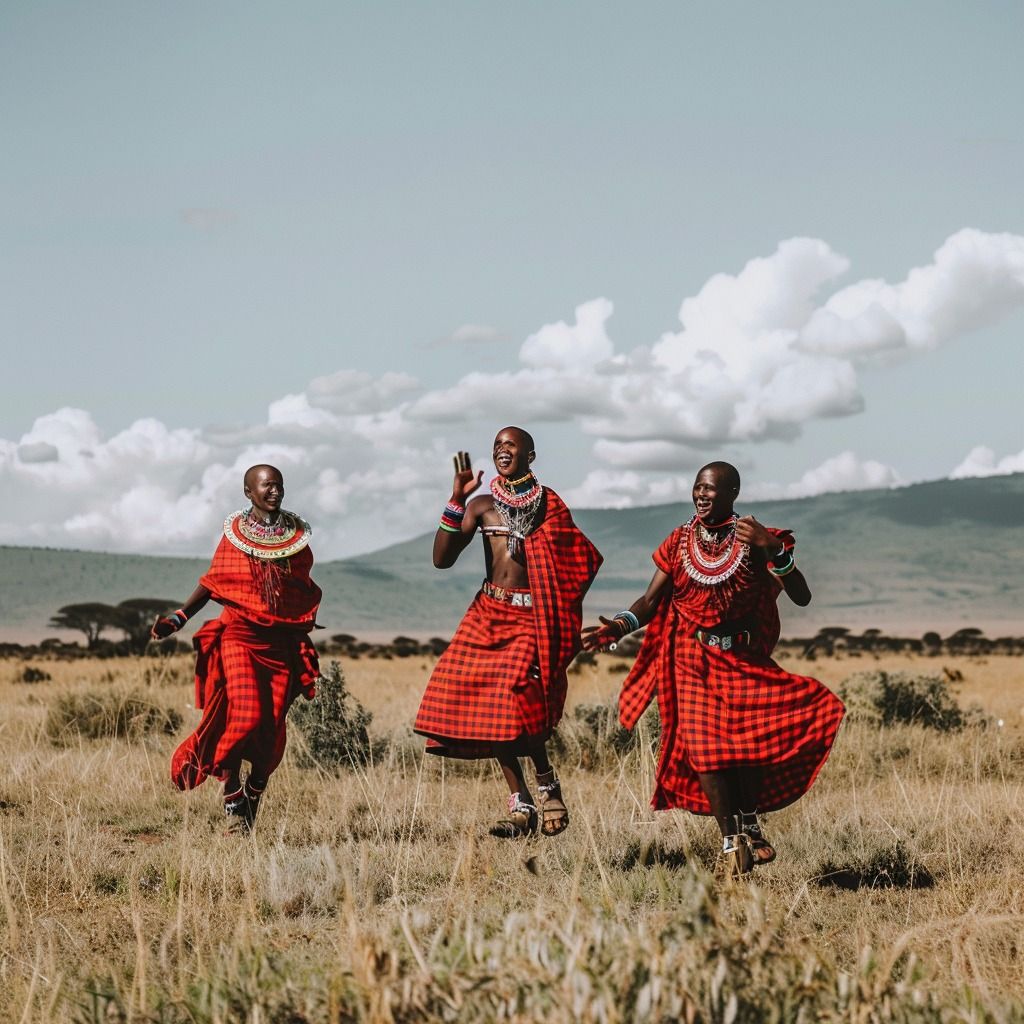
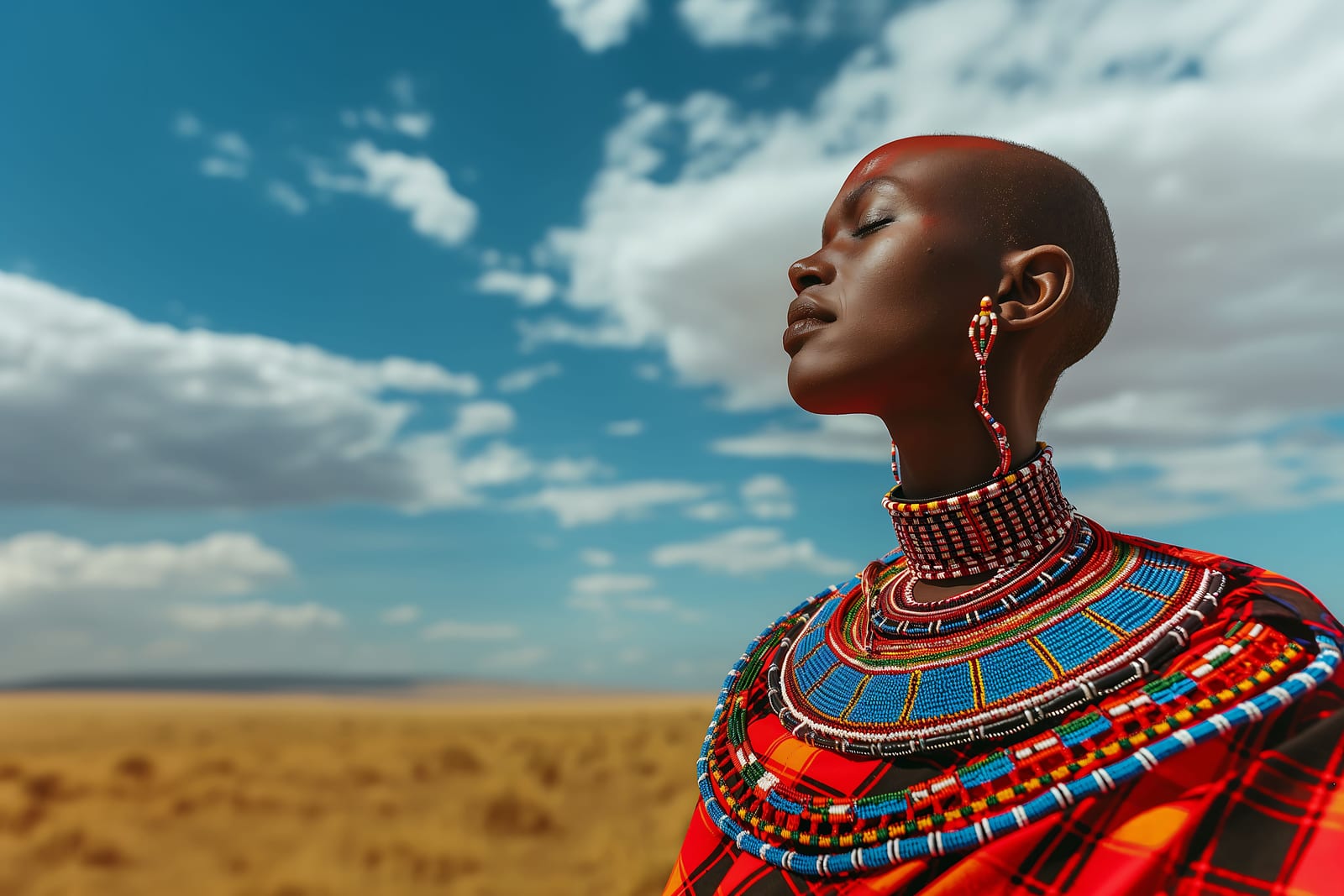
An African safari is a journey into protected wilderness areas to observe wildlife in its natural habitat. Safaris are not zoos — animals roam freely, every game drive is different, and every experience is a genuine 'whoa' moment. At the heart of it is connection: to wildlife, to landscapes untouched by cities, and to cultures that have lived alongside nature for centuries.
What Is an African Safari?
Modern safaris focus on ethical wildlife viewing, conservation, and immersive nature experiences. You don't "guarantee" sightings — you experience nature as it unfolds. That unpredictability is exactly what makes it extraordinary.
Types of Safaris in Africa
Not all safaris are the same. Choosing the right type shapes your entire experience.
Game Drive Safaris
The most common safari experience across Africa. Conducted in customised 4×4 vehicles with expert guides, typically early morning and late afternoon when animals are most active. Best for first-time travellers, photographers, and wildlife lovers.
Honeymoon & Luxury Safaris
Private vehicles, secluded camps, sunset dinners, and unforgettable moments. Africa is one of the world's top honeymoon safari destinations. Safari Yetu Adventures offers tailor-made romantic packages.
Walking Safaris
Led by armed ranger guides, walking safaris offer a deep connection to nature — tracking wildlife, learning about plant and animal behaviour, and understanding ecosystems up close. Best for adventurous travellers seeking immersive experiences.
Fly-In Safaris
Flying between remote reserves saves travel time and maximises wildlife encounters. Not the cheapest option, but unbeatable for efficiency and exclusivity. Best for luxury travellers and short-stay visitors.
Luxury Safaris
High-end lodges and private camps, exclusive wildlife areas, gourmet dining, spa treatments, and private game drives. Contact Safari Yetu Adventures for the best luxury safari lodges in Kenya.
Budget & Mid-Range Safaris
Safaris don't have to be expensive. Budget and mid-range options offer comfortable camps and lodges, shared game drives, and excellent guiding — some of the best-value safari tours in Africa.
Family Safaris
Designed with child-safe lodges, flexible itineraries, and age-appropriate activities. Children and even infants can go on safari with proper planning and safety measures.

Safari Camps vs Safari Lodges
Safari Camps
- Often tented but very comfortable
- Located deep inside wildlife areas
- Feel closer to nature
- Range from simple to ultra-luxury
Safari Lodges
- Permanent structures (stone, wood, thatch)
- Larger facilities and amenities
- Ideal for families and longer stays
Neither is better — the choice depends on comfort preferences, budget, and travel style.
National Parks vs National Reserves in Kenya
National Parks
- Managed by Kenya Wildlife Service (KWS)
- Fixed regulations and park hours
- Strong conservation standards
- World-famous — Born Free was filmed here; Hell's Gate inspired The Lion King
National Reserves
- Privately or community-owned
- More flexibility: night drives, off-road driving
- Fewer vehicles and more exclusivity
- Play a major role in community-led conservation
Where Can You Go on Safari?
1. Kenya
Widely considered one of the best safari destinations in Africa for first-time travellers — exceptional wildlife density, dramatic scenery, and world-famous parks within short travel distances.
- Masai Mara National Reserve — Great Migration and year-round big cat sightings
- Amboseli National Park — Iconic elephant herds with Mount Kilimanjaro views
- Tsavo East & West — Vast wilderness and diverse landscapes
- Samburu National Reserve — Rare species found only in northern Kenya
2. Tanzania
Vast open spaces and dramatic wildlife spectacles. Serengeti National Park and Ngorongoro Crater are ideal for wide-open landscapes and extended migration viewing.
3. South Africa
Malaria-free zones, excellent infrastructure, and high-end private reserves. Kruger National Park and Sabi Sands Game Reserve are perfect for luxury travellers and first-time visitors who value comfort.
4. Botswana
Low-impact, high-end safaris. Okavango Delta and Chobe National Park are best for seasoned safari travellers seeking exclusivity.
5. Uganda & Rwanda
Known for mountain gorilla trekking. Bwindi Impenetrable Forest and Volcanoes National Park offer once-in-a-lifetime primate experiences.
Your ideal destination depends on wildlife interests, time of year, budget, and travel style.
What Animals Will You See?
Many travellers hope to see the Big Five: lion, leopard, elephant, buffalo, and rhino. Beyond that, safaris offer giraffes, zebras, wildebeest, cheetahs, hyenas, jackals, hippos, crocodiles, and hundreds of bird species — plus shy animals, the Special Five, and nocturnal animals on evening game drives.
A safari is not about ticking boxes. It's about observing behaviour, movement, and natural rhythms.
Best Time to Go on an African Safari
The best time is typically June to October (dry season). Wildlife gathers around water sources, visibility is better, and game drive temperatures are cooler.
- July–October: Great Migration at Masai Mara, Kenya
- December–March: Calving season in the Southern Serengeti, Tanzania
The green season offers lush landscapes, fewer crowds, and excellent birdlife.
Is an African Safari Safe?
Yes — when booked through reputable safari operators. Safety is ensured through professional guides, strict park regulations, well-maintained vehicles, and emergency protocols. Millions of travellers enjoy safe safari tours in Africa every year.
What to Pack & How to Plan
Safari Essentials
- Neutral-coloured clothing
- Comfortable walking shoes
- Light jacket
- Binoculars
- Camera with a zoom lens
- Sunscreen and insect repellent
Pack light — especially for fly-in safaris.
How to Plan Your Safari
- Choose your destination (Kenya is ideal for beginners)
- Decide on your safari style and budget
- Select the best travel season
- Choose safari lodges or camps
- Book with a trusted safari operator
Your Safari Starts Here
A safari isn't about luxury tents or vehicle brands. It's about moments you can't script: lions at dawn, elephants at sunrise, and silence broken only by birdsong. Africa is calling — and Kenya is where your safari story should begin.
Safari Yetu Adventures is the leading tour operator in Kenya and East Africa, offering expert trip planning, 24/7 customer support, budget-friendly options, and a Safety Travel System for all clients.
Frequently Asked Questions
What exactly is an African safari?
A guided wildlife experience in Africa's protected wilderness areas — national parks, game reserves, and private conservancies — where animals live freely in their natural habitat. Unlike a zoo, nothing is staged. Every game drive is different, and every sighting is earned.
Which country is best for a first safari?
Kenya. Exceptional wildlife density, dramatic and varied scenery, a well-developed tourism infrastructure, and easy access between parks make it the most accessible and rewarding introduction to African safari. The Maasai Mara, Amboseli, Samburu, and Tsavo are all within a few hours of Nairobi.
How much does an African safari cost?
Budget safaris start from around $150–250 per person per day, covering shared game drives and comfortable camps. Mid-range options run $300–600 per day. Luxury properties range from $800 to $2,000+ per person per night, inclusive of meals, drives, and park fees. The range is wide — the key is matching your budget to the right style, not just the price tag.
What animals will I see on safari?
The Big Five — lion, leopard, elephant, buffalo, and rhino — are the headline acts, but Kenya's parks offer far more: cheetah, giraffe, zebra, hippo, crocodile, hyena, wild dog, and hundreds of bird species. Specific sightings depend on destination and season, but Kenya consistently delivers some of the highest wildlife densities on the continent.
When is the best time to go on safari in Africa?
June to October (dry season) is the prime window — wildlife concentrates around water sources, vegetation thins for better visibility, and temperatures are comfortable for long game drives. July to October is also when the Great Migration river crossings happen in Kenya's Maasai Mara. The green season (November–May) offers lush scenery, fewer crowds, and excellent birdlife at lower prices.
Is an African safari safe?
Yes, when booked through a reputable operator. Professional guides, strict park regulations, well-maintained vehicles, and established emergency protocols make safari travel very safe. Millions of travellers visit Africa's parks every year without incident. The main health precaution is malaria prophylaxis — consult your doctor before departure.
How many days do I need for a safari?
A minimum of five days gives you a genuine experience with time for multiple game drives and varied sightings. Seven to ten days is ideal for covering multiple destinations or targeting specific wildlife events like the Great Migration. More time always rewards the patient traveller with rarer encounters.
Can I combine a safari with a beach holiday?
Yes — and Kenya makes this particularly seamless. A few nights in the Maasai Mara or Amboseli followed by time on the Diani or Watamu coast is one of the most popular and satisfying itinerary combinations in Africa. Safari Yetu Adventures arranges both components as a single, joined-up trip.