This is where the wild things are. The Maasai Mara National Reserve sits in southwestern Kenya, approximately 270 km from Nairobi, spanning 1,510 km² of open savannah, rolling grasslands, acacia woodland, and riverine forest — the northern anchor of the greater Serengeti–Mara ecosystem. For the best Maasai Mara safari packages, contact Safari Yetu Adventures.
What Makes the Maasai Mara Special
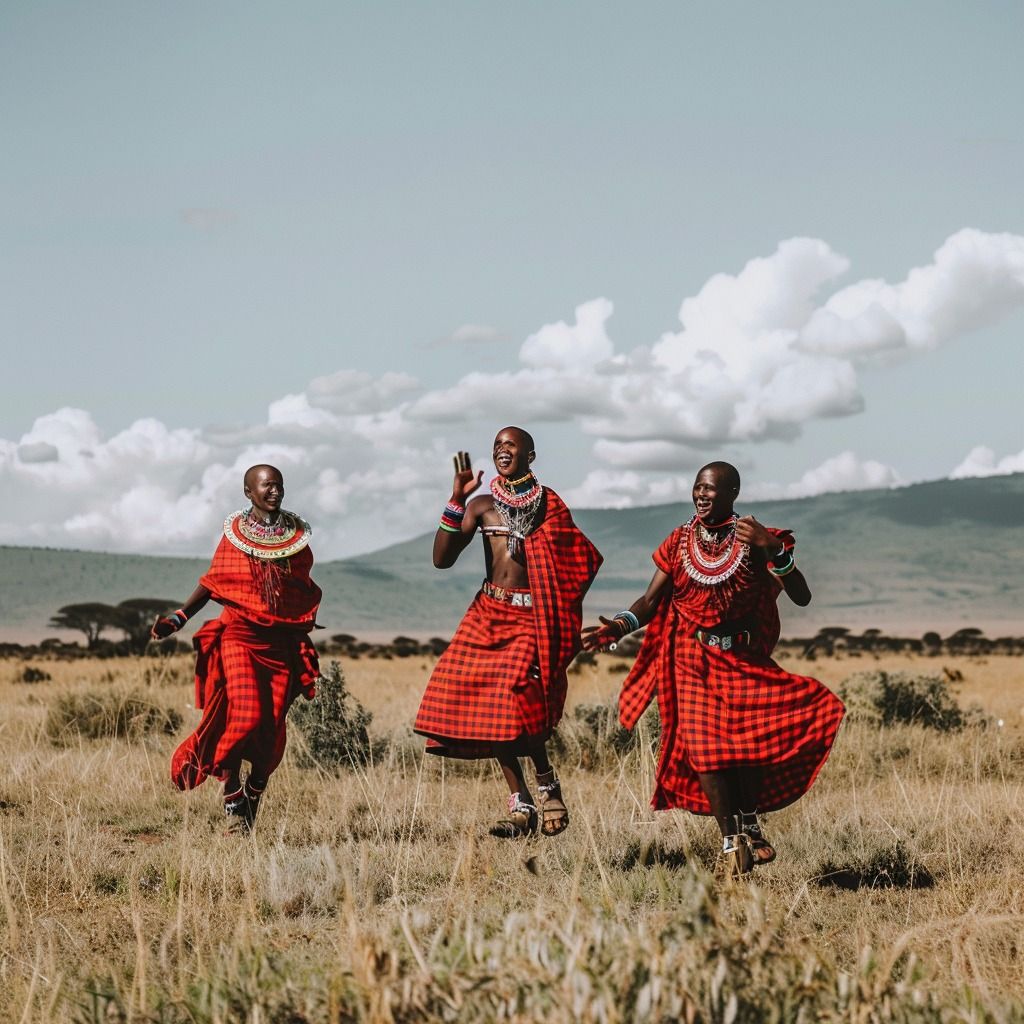
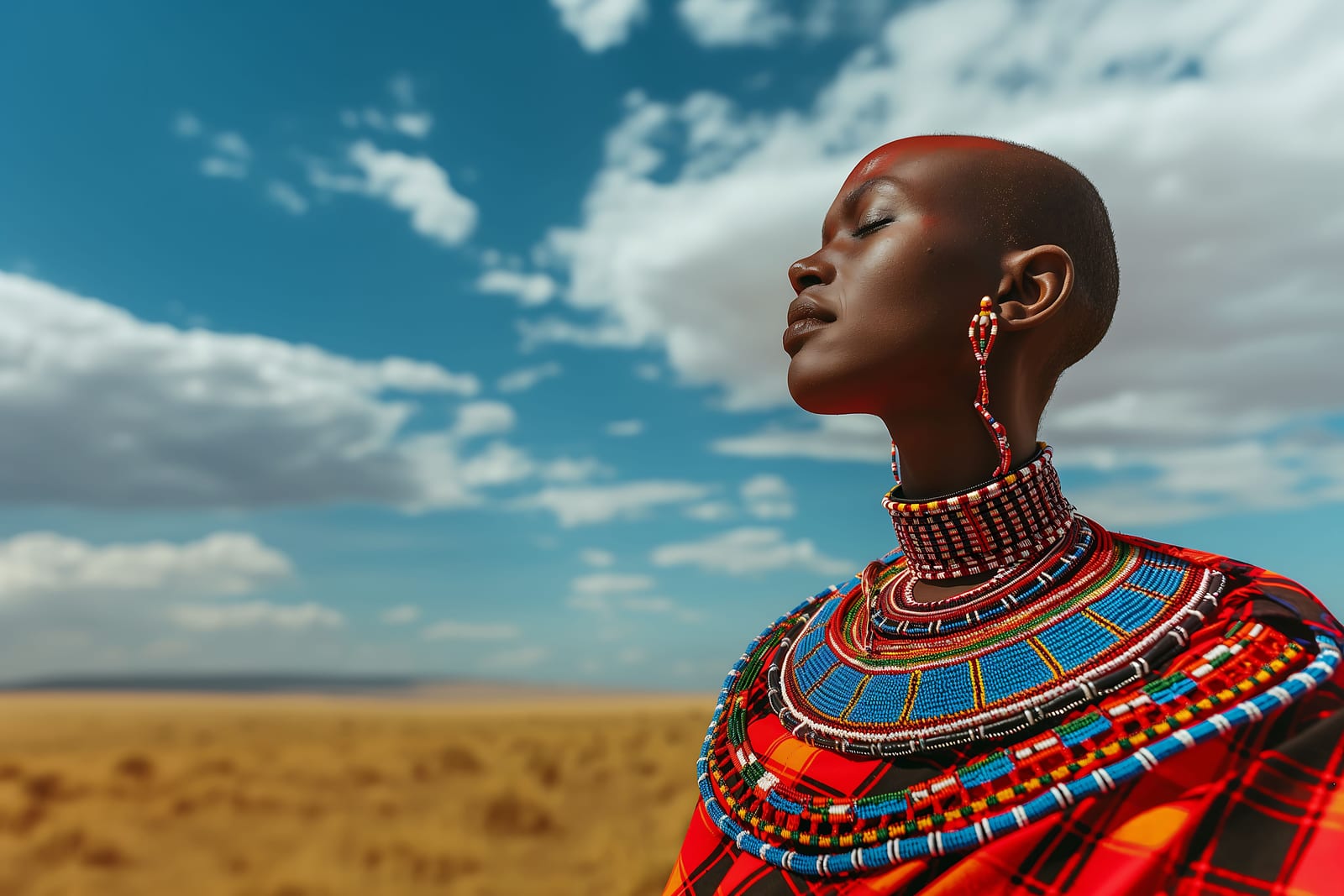
The reserve is managed jointly by the Narok County Government and local Maasai communities, whose relationship with the land spans centuries. Surrounding the core reserve are private conservancies — Mara North, Olare Motorogi, Naboisho, and others — that together more than double the protected wilderness, offering exclusive, crowd-free game viewing with activities unavailable inside the reserve, like night drives and walking safaris. These conservancies are under the Kenya Wildlife Conservancies Association (KWCA).
What Makes the Great Wildebeest Migration Special?
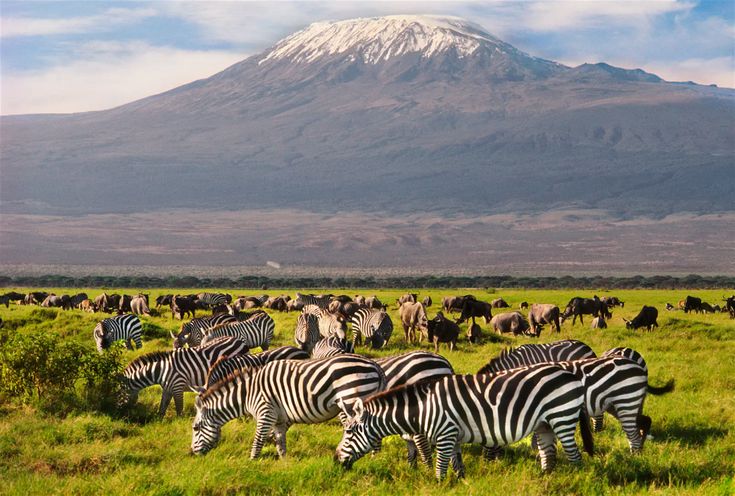
The Maasai Mara Great Migration is the largest terrestrial animal migration on Earth and has been added to the tentative lists of the UNESCO World Heritage Convention. Over 1.5 million wildebeest, accompanied by roughly 300,000 zebras and thousands of Thomson's gazelles, travel a 1,800-mile circular route across the Serengeti–Mara ecosystem in pursuit of fresh rainfall and green grass.
The Mara River crossings are the centrepiece — tens of thousands of wildebeest packing against the steep red banks, surging forward, hesitating, then launching into the churning water. Massive Nile crocodiles, some over 5 metres long, wait in the current below. The air fills with the thunder of hooves, desperate bellowing, and the roar of the river. It is chaos and beauty in equal measure.

Best Times to Visit Maasai Mara
Experienced guides know the crossings don't follow a schedule. The best strategy is spending 4–6 nights in camp, going out twice daily, and letting your guide position you at active crossing points based on real-time intelligence.
- July – October: Best time for the Great Migration and river crossings
- November – May: Fewer tourists, lush landscapes, best for photography and birdlife
The Full Migration Calendar
| Season | Location | What to Expect |
|---|---|---|
| Jan – Mar | Southern Serengeti (Ndutu) | Calving season — ~500,000 calves born in 3 weeks. Extraordinary predator action, fewer crowds, lower prices. |
| Apr – Jun | Western Serengeti / Grumeti | Herds march north through the Western Corridor. Grumeti River crossings, often overlooked. Vanguard herds approach Kenya border by June. |
| Jul – Oct | Maasai Mara, Kenya | The main event. August is peak crossing month. September offers crossings with slightly fewer crowds. October herds begin dispersing south. |
| Nov – Dec | Returning south to Serengeti | The quiet return — less dramatic but still powerful. Accommodation prices drop significantly. A beautiful, underrated time to visit. |
? Book Early — Do Not Wait
The best camps near active crossing points, particularly in the Mara Triangle and along the Talek River, are fully booked 12–18 months in advance for July, August, and September. Book with Safari Yetu Adventures now.
The Best Maasai Mara Camps and Lodges
Budget and Mid-Budget Camps
- Kambu Mara Camp
- Lenchada Tourist Camp
- Enchoro Wildlife Camp
- Mara Sidai Camp
- Greenwood Safari Camp
- Ol Moran Tented Camp
- Manyatta Camp
- Mara Springs Safari Camp
- Rhino Tourist Camp
- Mara Olapa Camp
- Mara Chui Camp
- Miti Mingi Eco Camp
- La Maison Royale
Luxury Camps
- JW Marriott Mara Safari Lodge
- Mara Sopa Lodge
- Fairmont Mount Kenya Safari Club
- Mahali Mzuri
- Sala's Camp
- Olare Mara Kempinski
- Entim Mara
- Ol Seki Hemingway's Mara
- Saruni Basecamp Mara
- Soroi Mara Bush Camp / Soroi Private Wing / Soroi Luxury Migration Camp
- Elewana Sandriver
- Little Governor's Camp & Governor's II Camp
- Great Plains Conservation Camps
- &Beyond Kichwa Tembo Tented Camp
- Elephant Pepper Camp (Elewana Collection)
- Cottar's 1920s Safari Camp
- &Beyond Bateleur Camp
- Mara Serena Camp
- Sanctuary Olonana Safari Lodge
- Serian Nkorombo Camp
- PrideInn Mara Camp
- Karen Blixen Camp
- Angama Mara
- Ashnil Mara
- Porini Mara Camp
- Kicheche Mara Camp
Types of Maasai Mara Safari Packages
- Budget Group Joining Safaris — The most sought-after Maasai Mara safari packages. A great option for clients who want a group experience that doesn't break the bank.
- Private Safaris — Higher quality experience with a dedicated vehicle and guide.
- Family Safaris — Child-friendly accommodations and shorter game drives.
- Safari and Beach Combo — The most sought-after combination. See our 10-day Kenyan safari and beach experience.
- Fly-In Safari — Saves travel time, maximises game drive time, spectacular aerial views. Popular with luxury and mid-luxury travellers.
- Hot Air Balloon Safari — A sunrise balloon flight over the Mara plains, drifting silently above wildebeest herds and the Mara River. Includes a champagne bush breakfast on landing. Ideal for migration aerial viewing.
- Honeymoon Safaris — Private camps, sundowner drives, and bush dinners under the stars. Safari Yetu Adventures is known for the best honeymoon safaris in Kenya and Africa.
Animals to See in Maasai Mara
The Maasai Mara is one of the few places on Earth where you can reliably see lions, leopards, and cheetahs in a single game drive. The Mara's predator density is extraordinary. Beyond the Big Five, the Mara is home to over 570 bird species — look out for the lilac-breasted roller (Kenya's national bird), secretary bird, martial eagle, and African fish eagle. The Musiara Marsh and Mara River corridors are especially rich birding areas.
- African Elephant
- Rhino
- Nile Crocodile
- Hippo
- Wildebeest
- Cheetah
- Lion, Leopard, Buffalo (Big Five)
- 570+ bird species
How to Get to Maasai Mara
- By road: 5 hours from Nairobi
- By flight: 45 minutes from Wilson Airport to any of the Mara airstrips. Multiple daily services from Safarilink, AirKenya, and Fly 540.
- International arrivals: Fly into JKIA Nairobi, then connect to Wilson Airport for a domestic flight or road transfer.
Safari Expert Tips
- Book 3–6 months early (12 months for migration)
- Pack neutral-coloured clothing — khaki, olive, beige. Avoid bright colours and black/white.
- Morning game drives offer the best wildlife sightings
- Choose camps based on location, not just price
- Malaria prophylaxis is strongly recommended — consult your travel clinic 6–8 weeks before departure
- Mobile signal is limited inside the reserve. Most camps offer satellite WiFi in communal areas. Embrace the digital detox.
- Kenya requires an eTA (Electronic Travel Authorisation) — apply online at least 72 hours before travel
Frequently Asked Questions
What is the Maasai Mara famous for?
The annual Great Wildebeest Migration — the largest terrestrial animal movement on Earth, involving over 1.5 million wildebeest and hundreds of thousands of zebras. Beyond the migration, the Mara is renowned for the highest predator density in Africa (lions, leopards, and cheetahs regularly spotted on a single drive), exceptional year-round Big Five wildlife, the Maasai people and their centuries-old relationship with the land, and some of the most dramatic savannah landscapes on the continent.
What is the best time to visit the Maasai Mara?
July to October is peak season — the migration herds are in Kenya and the Mara River crossings are happening. August is the single best month for crossing frequency and intensity. June and November–December are excellent shoulder months with good game viewing and lower prices. January–March is ideal for resident wildlife, predator action, and green season photography. April–May (long rains) offers the lowest prices but can limit game drives on muddy tracks.
How much does a Maasai Mara safari cost?
Budget road safaris start from around $600–900 per person for 3 days. Mid-range packages run $1,500–$3,000 per person. Luxury fly-in safaris range from $3,000–$8,000+ per person. Ultra-luxury properties like Bateleur Camp, Angama Mara, and Cottar's 1920s Safari Camp can reach $15,000+ per person for a full stay. Park entry fees of approximately $80–100 per day are either included in camp rates or charged separately — always confirm when comparing quotes.
How many days should I spend in the Maasai Mara?
A minimum of 3 nights is needed to do the Mara justice — that gives you at least 4 game drives and a genuine feel for the ecosystem. For migration visitors hoping to witness a river crossing, 4–6 nights dramatically improves your chances; crossings are unpredictable and you may need to wait. For a comprehensive experience combining the main reserve with a private conservancy, allow 5–7 nights. More time always rewards the patient traveller.
What is the difference between the Maasai Mara National Reserve and the conservancies?
The national reserve is the core protected area managed by Narok County, with fixed rules — no off-road driving, no night drives, and vehicles must stay on designated tracks. The surrounding private conservancies (Mara North, Olare Motorogi, Naboisho, Ol Kinyei, and others) are managed by Maasai landowners in partnership with safari operators. Conservancies allow off-road driving, night game drives, walking safaris, and typically have far fewer vehicles per sighting — often just one or two. Many experienced safari travellers prefer conservancy camps for their exclusivity and flexibility, even though wildlife density can be slightly lower than in the main reserve.
Do I need a visa to visit Kenya?
Most nationalities require a Kenya Electronic Travel Authorisation (eTA), which replaced the traditional visa in 2024. It is applied for online at etakenya.go.ke and should be submitted at least 72 hours before travel. The fee is $30 USD. East African Community citizens (Uganda, Tanzania, Rwanda, Burundi, South Sudan, DRC) are exempt. Always check the current requirements for your specific nationality before booking.