While everyone rushes to the Maasai Mara, Lake Nakuru quietly delivers some of Kenya's most spectacular wildlife encounters. It's smaller, closer to Nairobi, and far less crowded than the big-name parks — and it has something that nowhere else in Kenya can match: a genuine chance to see both black and white rhino in a single morning.
Why Most People Skip Nakuru (And Why That's a Mistake)
Lake Nakuru National Park sits in the Rift Valley, about 160 kilometres northwest of Nairobi — roughly 2.5 hours by road. It's compact at just 188 square kilometres, which means it's often dismissed as a "day trip" destination rather than a proper safari stop. That's a mistake. The park's small size is actually one of its strengths: the wildlife is concentrated, the roads are good, and you can cover the entire park in a day of game drives without feeling rushed.
The park is also fenced — a fact that some purists object to but which has significant practical benefits. The fence keeps the rhino population safe from poachers and keeps the wildlife inside the park boundaries, which means you're not driving for hours hoping to find animals that have wandered off into the surrounding farmland. In Nakuru, the wildlife is reliably present and reliably findable.
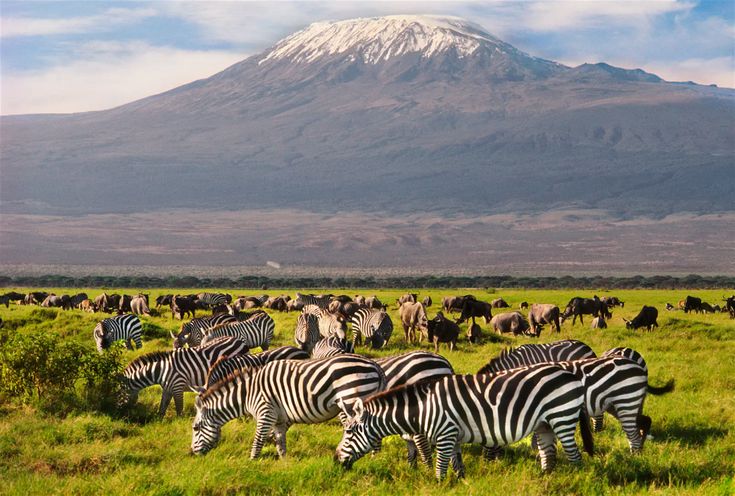
The landscape is beautiful in a way that's quite different from the open savanna of the Mara or the dust plains of Amboseli. Nakuru has a mix of acacia woodland, open grassland, rocky escarpments, and the lake itself — a shallow, alkaline soda lake that sits at the heart of the park and gives it its distinctive character. The escarpment viewpoints offer panoramic views over the lake and the surrounding Rift Valley that are genuinely breathtaking.
The Flamingos: When the Lake Turns Pink
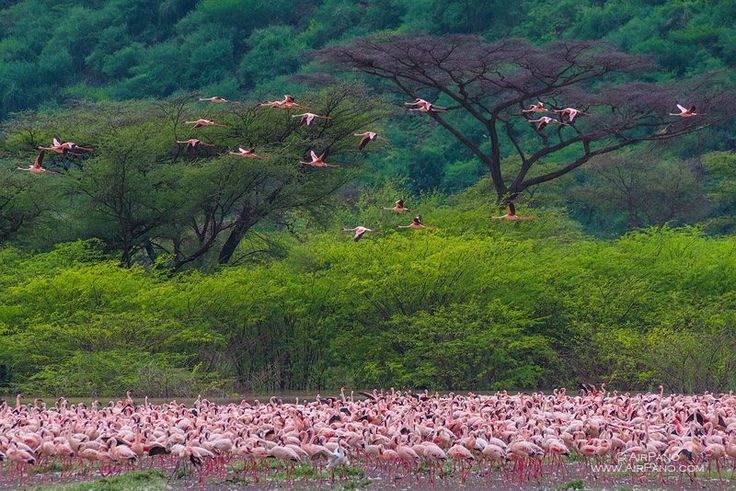
Lake Nakuru was once described by ornithologist Roger Tory Peterson as "the most fabulous bird spectacle in the world." At its peak, the lake supported over a million lesser flamingos — a pink tide that stretched from shore to shore and was visible from the escarpment viewpoints as a shimmering, shifting mass of colour. The sight was genuinely extraordinary, and photographs from the 1990s and early 2000s show a lake that appeared to be made of pink rather than water.
The flamingo numbers have fluctuated significantly in recent years, driven by changes in the lake's water level and algae concentrations. When the lake rises — as it did dramatically between 2012 and 2016, flooding large areas of the park — the alkalinity drops and the blue-green algae that flamingos feed on becomes less abundant. The birds move to other Rift Valley lakes, particularly Lake Bogoria to the north, which has become the primary flamingo destination in Kenya.
That said, flamingos are still present at Nakuru in significant numbers, and when conditions are right — typically during drier periods when the lake level drops and algae concentrations increase — the spectacle can still be extraordinary. Even a few thousand flamingos on the lake shore is a remarkable sight. And the park's other attractions are strong enough that a visit is worthwhile regardless of flamingo numbers.

Rhinos: One of Kenya's Best Chances to See Both Species
This is Nakuru's trump card. The park is one of Kenya's most important rhino sanctuaries, home to both black and white rhino in a relatively small, fenced area. The chances of seeing rhino at Nakuru are significantly higher than at most other Kenyan parks — our guides regularly find both species on a single morning game drive.
Black and white rhino are not actually black and white — both are grey. The names are thought to derive from the Afrikaans word "weit" (wide), referring to the white rhino's wide, square lip, which is adapted for grazing. The black rhino has a pointed, hooked lip adapted for browsing on shrubs and trees. The two species are also quite different in temperament: white rhino are generally more placid and easier to approach, while black rhino are notoriously unpredictable and can charge with little warning.
Kenya's black rhino population has recovered significantly from the catastrophic poaching losses of the 1970s and 1980s, when numbers fell from around 20,000 to fewer than 300. Today there are approximately 1,000 black rhino in Kenya — the world's largest population — and Nakuru holds a significant proportion of them. Seeing a black rhino in the wild, knowing how close the species came to extinction, is one of the most moving wildlife experiences Kenya offers.
The Rest of Nakuru's Wildlife
Beyond rhino and flamingos, Nakuru supports an impressive range of wildlife for such a compact park. Lion are present and regularly seen — the fenced environment means they're reliably within the park boundaries, and our guides know their territories well. Leopard are present but elusive, as they are everywhere. The rocky escarpments and dense woodland provide excellent leopard habitat, and night drives (available from some camps) improve the odds considerably.
Buffalo are common and often seen in large herds on the open grassland. Waterbuck are abundant — Nakuru has one of the highest waterbuck densities in Kenya, and the males with their distinctive white ring markings are a common sight near the lake shore. Giraffe, zebra, and impala are all present in good numbers. The park also has a healthy population of Rothschild's giraffe, one of the most endangered giraffe subspecies, which have been reintroduced here as part of a conservation programme.
The birdlife is exceptional even when flamingo numbers are low. The lake and its margins support pelicans, cormorants, herons, storks, and a wide variety of waders. The woodland areas have excellent raptors — African fish eagle, augur buzzard, and various eagles are all regularly seen. Over 450 bird species have been recorded in the park, making it a serious destination for birders.
Combining Nakuru with the Mara or Amboseli
Nakuru works beautifully as a component of a longer Kenya safari circuit. Its proximity to Nairobi makes it an ideal first or last stop — you can arrive from Nairobi in the afternoon, do a full day of game drives, and continue to the Mara or Amboseli the following morning. Alternatively, it works well as a final stop before flying home, giving you a last wildlife fix without the long drive back from the Mara.
A classic three-destination circuit might look like: two nights Nakuru, three nights Maasai Mara, two nights Amboseli. This covers the Rift Valley, the savanna, and the mountain ecosystem in a single trip, and gives you a genuinely comprehensive introduction to Kenya's wildlife diversity. The roads between Nakuru and the Mara are good, and the drive takes about four hours — or you can fly between destinations if time is short.
For families with children, Nakuru is particularly well-suited as a first safari destination. The compact size means shorter drives, the wildlife is reliably present, and the rhino sightings tend to generate enormous excitement in younger visitors. It's also less overwhelming than the Mara, which can be a lot to take in on a first safari.
Safari Yetu Tip
Nakuru is only 2.5 hours from Nairobi, making it perfect as a first or last night stop on a longer safari circuit. Don't treat it as a day trip — two nights gives you two full days of game drives and a genuine chance to see both rhino species, which is something most Kenya visitors never achieve.