
Travel tips for first-time visitors to Kenya, from safari expectations and local culture to responsible travel and making the most of your time in the country.
Introduction
This first-time visitors to Kenya guide shares practical advice, honest expectations and some of the lessons we have learned from seeing travelers experience Kenya for the first time.
There is a moment many first-time visitors to Kenya remember long after their trip is over.
It might be the first sunrise over the savannah. The moment a herd of elephants appears beside the road. The sound of birds outside your safari camp before breakfast. Or perhaps it is something much simpler: watching the landscape change as Nairobi disappears behind you and the open country begins.
Its giving, Spiderman- Brand New Destination. Ha!
Before arriving, you may have imagined Kenya as a place of wildlife, wide-open plains and spectacular sunsets.
And it is all of those things.
But Kenya is also more layered than a photograph can show.
For travelers planning their first trip, knowing what to expect can make the difference between simply visiting Kenya and experiencing it deeply.
Therefore, this guide by Safari Yetu Adventures enlightens you on all you need to know before going on safari in Kenya.
1. Kenya Is Much More Than a Safari
One of the first things we tell travelers first time visiting Kenya is this: don't think of Kenya as just a safari destination
Yes, wildlife is one of the country's greatest attractions. From the grasslands of the Maasai Mara to the elephants of Amboseli and the vast landscapes of Tsavo, Kenya offers extraordinary wildlife experiences.
But there is another Kenya beyond the game drive.
There is Nairobi's energy, the cool highlands, the Great Rift Valley, the conservation landscapes of Laikipia, the cultures and traditions of different communities, and the Indian Ocean coast
You can wake up surrounded by wildlife and, days later, find yourself listening to the ocean in Mombasa, Watamu, Diani or Lamu.
That variety is one of Kenya's greatest strengths.
Our advice: don't try to see everything in one trip.
Choose experiences that complement each other and allow enough time to actually enjoy them.
A well-designed journey isn't necessarily the one with the most destinations. It is the one that gives you enough time to appreciate each place.
2. Your Safari May Not Look Like the One on Instagram
This is perhaps one of the most important Kenya safari tips for a first-time visitor.
Wildlife is wild. There are no schedules.
There is no guarantee that a lion will appear exactly when you arrive, or that a leopard will be sitting perfectly in the open waiting for your camera.
Some mornings you may encounter an extraordinary wildlife moment within minutes.
Other times, you may drive quietly for a while before discovering something special.
And that unpredictability is part of the magic.
A safari isn't a zoo visit. Animals move according to their own rhythms, influenced by weather, food, water and the seasons.
The best guides don't simply chase sightings. They help you understand the landscape.
They might point out tracks in the soil, identify a distant bird call or explain why a herd of elephants has changed direction.
Sometimes the most memorable moment isn't seeing the Big Five.
It is understanding something you would have driven past without a knowledgeable guide.
3. Distances in Kenya Can Surprise You
Looking at a map can be misleading.
Two destinations may appear relatively close together, yet the journey between them can take considerably longer than expected.
Road conditions, traffic, stops, towns, terrain and wildlife areas can all influence travel times.
For first-time visitors to Kenya, this is one reason itinerary design matters.
Rather than packing several destinations into a few days, consider giving yourself breathing room.
That might mean spending an additional night in one destination instead of rushing to the next.
It also creates opportunities for something increasingly valuable in modern travel: slow travel. The road through Kenya can become part of the experience.
A scenic stop. A local lunch. A conversation with your guide. A changing landscape outside the window.
The journey doesn't always have to be something you endure before the holiday begins.
Sometimes, the journey is part of the holiday.
4. Kenya Has Different Climates and Landscapes
One of the common assumptions about Kenya is that it is simply hot.
It isn't quite that simple.
Kenya's climate varies considerably depending on where you are and the elevation of your destination.
Nairobi can feel pleasantly cool, especially in the mornings and evenings. Safari destinations can have chilly early mornings followed by warm afternoons. The coast is generally warmer and more
humid. This matters when packing.
For a safari, layers are useful. Comfortable clothing, a light jacket or fleece for early mornings, sun protection and comfortable walking shoes can make your experience much easier.
And don't forget that the weather can change.
The best approach is to pack for the activities and destinations on your itinerary rather than assuming the entire country will have the same conditions.
5. Early Mornings Are Part of the Magic
Your first safari morning might begin earlier than you're used to.
The camp is quiet.
The air is cool.
Coffee is waiting.
Outside, the landscape is slowly beginning to emerge from the darkness.
Then the vehicle starts moving.
This is one of the moments that makes safari different from many other holidays.
Early morning is often a beautiful time to be out in the wilderness, and the experience itself becomes part of the memory.
You may not remember exactly what time you woke up.
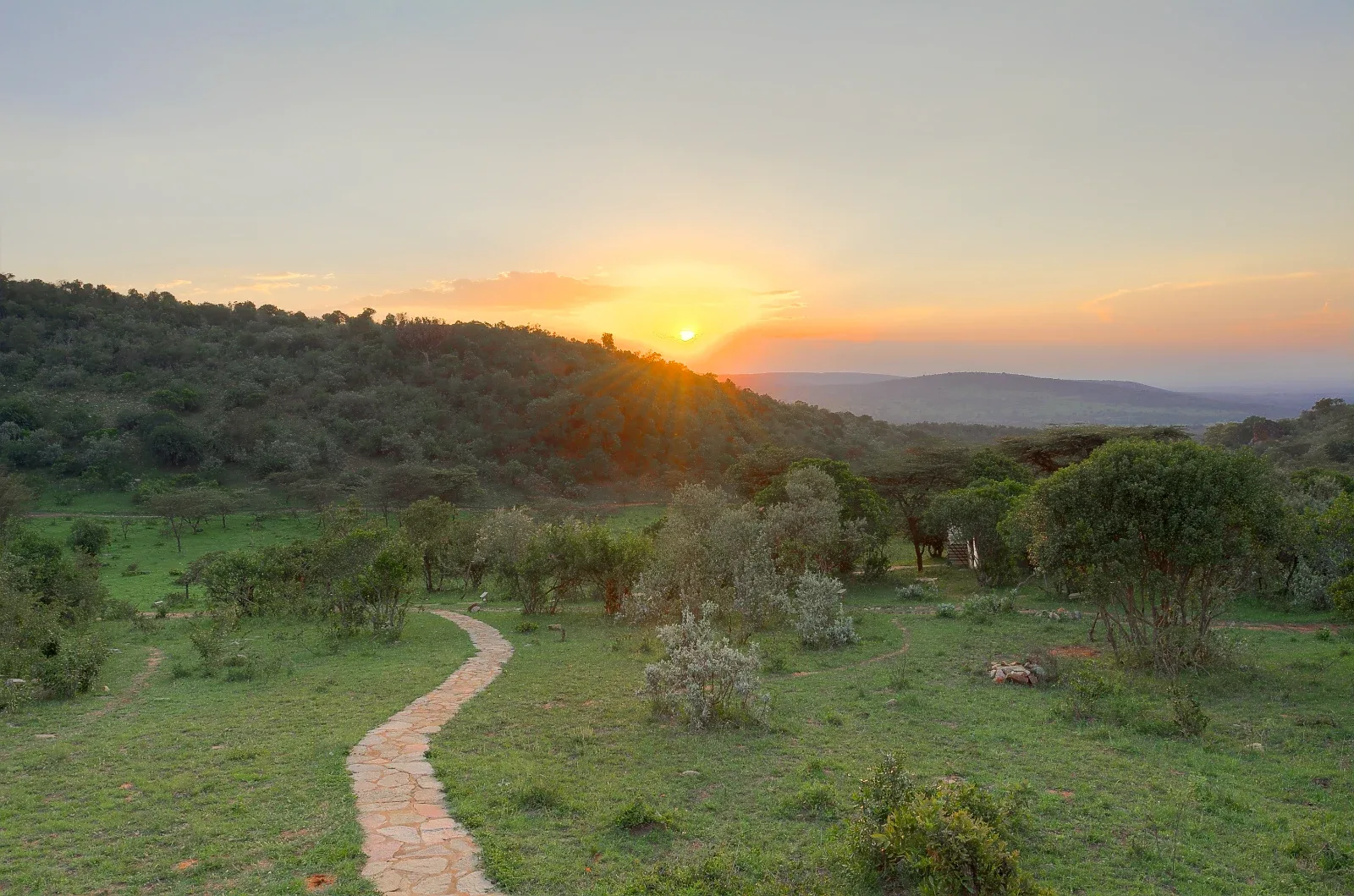
But you may remember the first light over the savannah.
Travel tip: embrace the early starts rather than treating them as an inconvenience. Some of your most memorable safari moments may happen before breakfast.
6. Don't Rush Your Kenya Itinerary
If there is one piece of advice we would give almost every first-time visitor to Kenya, it is this:
Don't confuse more destinations with a better holiday.
It can be tempting to create an itinerary that includes Nairobi, Amboseli, Maasai Mara, Samburu, Laikipia and the coast; all in one trip.
But constantly packing, checking out, driving and checking in can take away from the very thing you travelled to experience.
Luxury travel isn't only about beautiful accommodation.
It is also about having the time and space to enjoy where you are.
Spend longer in places that genuinely interest you.
Wake up without immediately thinking about the next transfer.
Have an unplanned afternoon.
Take the scenic route when appropriate.
Travel slowly enough to notice the details.
This approach can also support sustainable tourism in Kenya by reducing unnecessary movement and creating more opportunities to spend time and money within local destinations and communities.
7. Your Guide Can Shape Your Entire Safari
A safari vehicle can take you into the wilderness.
But it is your guide who can help you understand what you're seeing.
For a first-time visitor, the difference between simply spotting an animal and understanding its behaviour can be enormous.
An experienced guide may explain:
- How to recognize animal tracks
- why wildlife behaves differently at different times of day
- how ecosystems depend on one another
- how conservation initiatives support wildlife
- how to observe animals respectfully
- what different landscapes tell us about Kenya
Good guiding is not about rushing from one sighting to another.
It is about interpretation, patience, safety and curiosity.
When choosing a safari operator, look beyond the photographs of vehicles and lodges.
Ask about the people behind the experience.
Who will guide you?
How do they approach wildlife?
What relationships does the operator have with local communities and conservation initiatives?
These questions matter.
8. Wildlife Photography Requires Patience
For photographers, Kenya can feel like a dream.
But one of the best Kenya safari tips we can offer photographers is to leave room for patience.
Not every photograph will be dramatic.
Sometimes the animal is too far away.
Sometimes the light isn't right.
Sometimes the animal simply walks in the opposite direction.
And then, occasionally, everything comes together.
A herd crosses the horizon.
An elephant stands against the morning light.
Giraffes move silently across the plains.
Birds rise from the grass.
These moments cannot be manufactured.
That is why responsible wildlife photography matters.
Keep a respectful distance, follow your guide's instructions and remember that the photograph is secondary to the animal's wellbeing.
The goal isn't simply to get closer.
It is to witness without disturbing.
9. Kenya Is About People, Too
Wildlife may be what gets you to Kenya.
People often become what you remember.
Kenya is home to diverse communities, languages, traditions, histories and ways of life.
For travelers, cultural experiences can be incredibly meaningful when approached with genuine curiosity and respect.
Instead of treating communities as something to simply “visit,” look for experiences that create genuine interaction and benefit local people.
Buy locally made crafts from responsible sources.
Eat locally when possible.
Listen to stories.
Learn about the places you are visiting.
Ask permission before photographing people.
And remember that cultural exchange should work both ways.
This is an important part of responsible and sustainable tourism in Kenya: your travel should create value for the people and places that welcome you.
10. Be Prepared for Kenya's Everyday Rhythm
Not every part of your Kenyan journey will run according to the exact minute on your itinerary.
A road journey may take longer than expected.
A wildlife sighting may change your schedule.
Rain may affect a route.
A spontaneous stop may become one of the highlights of your day.
That doesn't mean your trip is poorly organized.
It means you're travelling in a real place rather than moving through a perfectly controlled environment.
The best itineraries leave some flexibility.
For first-time visitors to Kenya, it is useful to approach the journey with a little patience and curiosity.
Sometimes the unexpected becomes the story you tell when you get home.
11. Think About What Your Travel Leaves Behind
A beautiful holiday should not only ask:
“What will I experience?”
It should also ask:
“What will my visit contribute?”
This is where responsible travel becomes more than a trend.
When planning your trip, consider accommodation and tour providers that demonstrate meaningful commitments to conservation, local employment, community partnerships, waste reduction and responsible wildlife practices.
Choose experiences that support local economies.
Avoid unnecessary single-use plastics where practical.
Respect wildlife and natural habitats.
Use water thoughtfully, particularly in areas where resources are limited.
And when visiting conservation areas or community projects, understand where your money goes.
Sustainable tourism in Kenya is ultimately about creating a healthier relationship between travel, people, wildlife and the environment.
Your holiday can be enjoyable while still being thoughtful about its impact.
12. Give Yourself Time to Experience Kenya
How many days do you need in Kenya?
There is no single answer.
A short trip can provide an unforgettable safari experience, while a longer journey allows you to combine wildlife, conservation, culture, landscapes and the coast.
The important thing is to match the itinerary to your available time rather than trying to fit an entire country into one holiday.
If you have three or four days, choose one primary region and experience it properly.
If you have a week or more, you can begin combining complementary destinations.
And if you have longer, Kenya rewards travelers who slow down.
The best itinerary isn't necessarily the longest one.
It is the one that feels right for you.
13. Kenya Is Not a Checklist
Perhaps this is the most important lesson for first-time visitors to Kenya.
You may arrive with a list.
See a lion.
Photograph an elephant.
Visit the Maasai Mara.
See Mount Kilimanjaro from Amboseli.
Go to the beach.
Take the perfect sunset photograph.
But somewhere along the journey, the checklist tends to disappear.
You start remembering other things.
The quiet of the bush before sunrise.
The guide who taught you to identify tracks.
The unexpected roadside stop.
The sound of birds around your camp.
The red earth beneath the wheels.
A conversation with someone you met along the way.
The feeling of standing in a landscape much larger than yourself.
That is often what makes Kenya stay with you.
Frequently Asked Questions About Visiting Kenya for the First Time
Here are frequently asked questions about Kenya safaris
What should first-time visitors to Kenya know before travelling?
First-time visitors should plan around the country's varied landscapes, climate and travel distances. Safari wildlife is unpredictable, early mornings can be chilly, and journeys between destinations may take longer than expected.
What are the best travel tips for first-time visitors to Kenya?
Some of the most useful travel tips for first-time visitors to Kenya are to avoid rushing between destinations, pack layers for safari, allow flexibility in your schedule, choose an experienced guide, respect wildlife and local communities, and consider the environmental and social impact of your travel.
What should I expect on my first Kenya safari?
Expect early starts, changing weather, long periods of quiet observation and unpredictable wildlife encounters. A safari is not about guaranteed sightings; it is about experiencing wildlife and ecosystems in their natural environment.
Is Kenya suitable for first-time safari travelers?
Yes. Kenya offers a wide range of safari destinations and accommodation styles, from comfortable camps to luxury eco-conscious lodges and conservancies. Working with an experienced local safari operator can help first-time visitors choose destinations and activities suited to their interests and schedule.
How can I travel more sustainably in Kenya?
You can support sustainable tourism in Kenya by choosing responsible accommodation and tour operators, supporting local businesses and communities, reducing unnecessary waste, respecting wildlife, conserving water and energy, and choosing experiences that contribute positively to conservation and local livelihoods.