Ethical Tourism Practices: The Complete Guide to Responsible & Sustainable Travel in Kenya
Introduction
Do you know that this shift, ethical tourism practices in Kenya, has made one of the fastest-growing trends in the global travel industry?
Today, more travelers are choosing experiences that go beyond sightseeing. They want their holidays to contribute positively to wildlife conservation, empower local communities, preserve cultural heritage, and protect the environment.
This comprehensive guide by Safari Yetu Adventures explores ethical tourism, sustainable tourism practices in Kenya, regenerative tourism in Kenya, responsible tourism practices in Kenya, and community based tourism practices in Kenya, providing practical tips to help you travel more consciously.
Kenya has become a leading destination for responsible travel, offering authentic safari experiences that balance luxury with sustainability. From community-owned conservancies and eco-lodges to wildlife conservation projects and regenerative travel initiatives, visitors now have countless opportunities to explore the country while making a meaningful impact.
Whether you're planning your first safari or you're an experienced traveler seeking more sustainable adventures, understanding ethical tourism practices will help you make informed choices that benefit both you and the places you visit.
Lastly, we shine the spotlight on organizations setting the pace in promoting Sustainable Tourism practices. They include; Sustainable Travel and Tourism Agenda (STTA Kenya), EcoTourism Kenya, Kenya Tourism Board (KTB), Whistling Crow, Global Sustainable Tourism Council (GSTC)
Therefore, reach out to Safari Yetu Adventures for regenerative travel packages via +254719314061 or email us at info@safariyetuadventures.com today!

What Are Ethical Tourism Practices?
Ethical tourism practices are actions and decisions that ensure travel benefits people, wildlife, and the environment rather than exploiting them. Ethical tourism encourages travelers, tour operators,
accommodation providers, governments, and local communities to work together in protecting destinations for future generations.
Unlike traditional tourism, which often prioritizes visitor numbers and profits, ethical tourism focuses on creating positive social, environmental, cultural, and economic outcomes.
Ethical tourism means:
- Respecting local cultures and traditions
- Supporting locally owned businesses
- Conserving wildlife and natural habitats
- Reducing environmental impacts
- Protecting cultural heritage
- Ensuring tourism income reaches local communities
- Promoting fair employment opportunities
- Encouraging responsible wildlife experiences
Ultimately, ethical tourism is about leaving a destination better than you found it.
Ethical Tourism vs Sustainable Tourism
Although these terms are often used interchangeably, they have slightly different meanings.
Ethical tourism focuses on making morally responsible travel decisions that prioritize fairness, respect, and positive impacts.
Sustainable tourism emphasizes balancing environmental, economic, and social impacts so destinations can thrive for generations.
Meanwhile, regenerative tourism goes a step further. Instead of simply minimizing harm, it actively restores ecosystems, strengthens communities, and improves biodiversity.
For example:
Traditional tourism asks:
"How can we reduce damage?"
Sustainable tourism asks:
"How can we maintain destinations?"
Regenerative tourism asks:
"How can we leave destinations healthier than
before?"
This evolution is becoming increasingly important as travelers seek experiences that create measurable positive impacts.
12 Ethical Tourism Practices Every Traveler Should Follow
Here are the 12 responsible tourism practices to follow during your visit.

1. Support Local Businesses
Spend your money where it has the greatest impact.
Choose:
- Local guides
- Family-owned lodges
- Community-owned conservancies
- Local restaurants
- Farmers' markets
- Artisan craft shops
Every purchase supports livelihoods and strengthens local economies.
2. Respect Local Culture
Take time to understand local customs before traveling.
Simple gestures such as learning greetings, dressing appropriately, asking permission before photographing people, and respecting cultural traditions help create meaningful interactions.
Responsible travel begins with respect.
3. Choose Eco-Friendly Accommodations
Many Kenyan lodges now operate using solar energy, rainwater harvesting, waste recycling, plastic reduction initiatives, and locally sourced food.
Eco-lodges demonstrate that luxury and sustainability can coexist.
Look for accommodation that actively invests in conservation and community development rather than simply advertising itself as "green."
4. Avoid Wildlife Exploitation
Ethical wildlife tourism prioritizes the welfare of animals.
Avoid attractions that encourage:
- Touching wildlife
- Riding wild animals
- Performing animals
- Feeding wildlife
- Selfies with captive animals
Instead, choose responsible game drives, walking safaris, birdwatching, and conservation experiences led by qualified guides.
5. Reduce Plastic Waste
Single-use plastics remain one of tourism's biggest environmental challenges.
Carry reusable items such as:
- Water bottles
- Shopping bags
- Coffee cups
- Reusable cutlery
Small changes help keep Kenya's landscapes and waterways clean.
6. Travel Slowly
Instead of rushing through multiple destinations, spend more time exploring fewer places.
Slow travel reduces transportation emissions while allowing deeper cultural immersion and stronger connections with local communities.
It also creates a more meaningful travel experience.
See our best conservation safari packages such as;
- best 3 days Laikipia safari packages
- Best 4 days Laikipia safari packages
7. Reduce Your Carbon Footprint
Consider ways to minimize emissions by:
- Combining destinations into one itinerary
- Sharing transfers where practical
- Staying longer in each location
- Choosing accommodations with renewable energy initiatives
- Supporting verified carbon reduction or restoration projects
Reducing your travel footprint doesn't mean sacrificing comfort; it means making thoughtful choices throughout your journey.
8. Respect Wildlife Viewing Guidelines
Maintain safe viewing distances and follow your guide's instructions at all times.
Responsible wildlife viewing means allowing animals to behave naturally without disturbance.
Patience often rewards visitors with more authentic sightings and memorable photographic opportunities.
9. Conserve Water and Energy
Many safari destinations operate in water-scarce regions.
Simple actions such as taking shorter showers, reusing towels, switching off lights, and minimizing unnecessary electricity use contribute to long-term resource conservation.
10. Buy Ethical Souvenirs
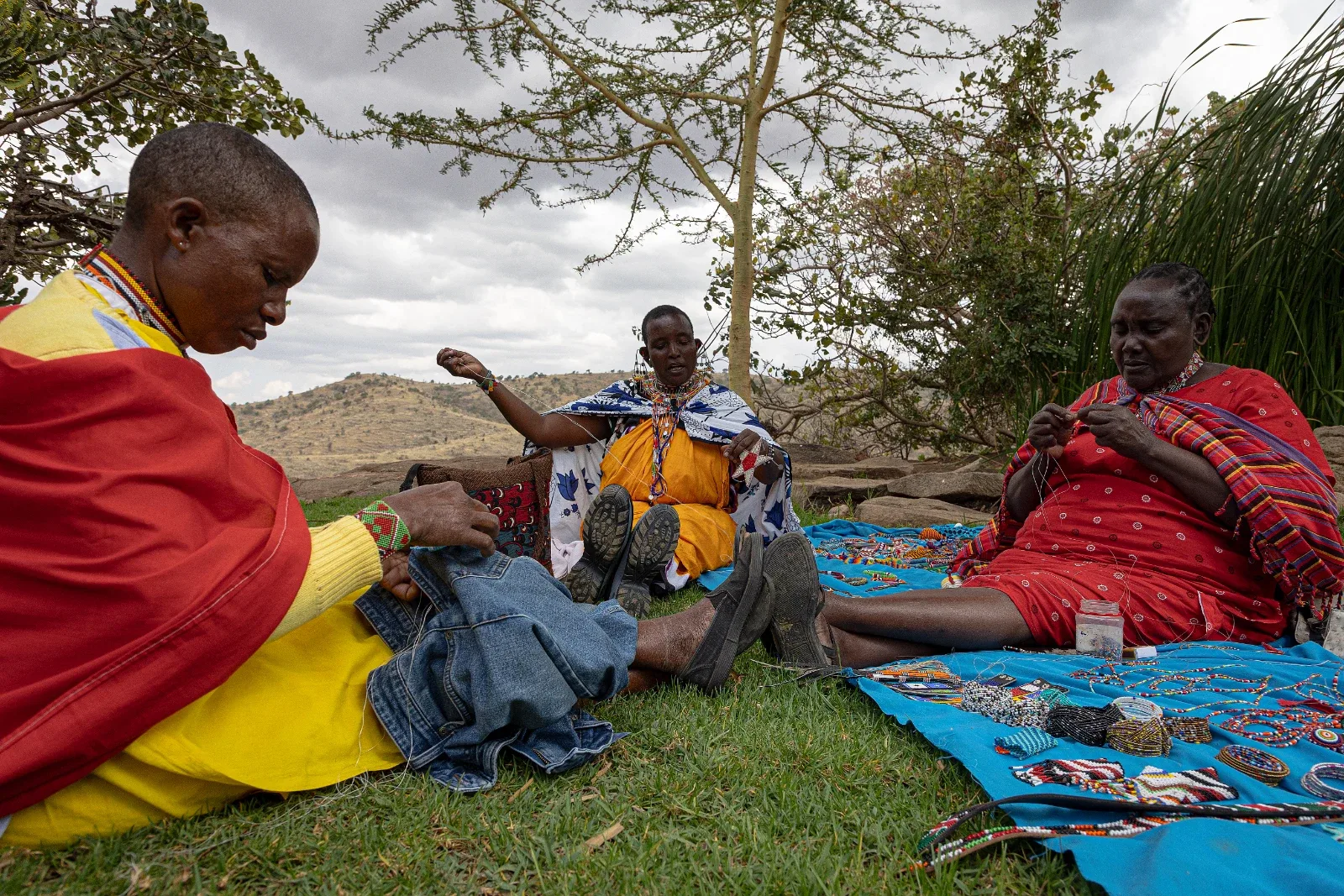
Purchase handmade products directly from local artisans instead of imported souvenirs.
Avoid products made from endangered species, ivory, coral, shells, or illegally harvested natural materials.
Authentic crafts not only preserve traditional skills but also provide sustainable income for communities.
11. Leave No Trace
Respect protected areas by leaving them exactly as you found them.
Stay on designated trails, avoid littering, do not remove natural objects, and follow park regulations designed to protect fragile ecosystems.
Every visitor shares responsibility for preserving Kenya's remarkable landscapes.
12. Travel with Responsible Tour Operators
Your choice of tour operator influences the overall impact of your trip.
Look for companies that:
- Employ local staff
- Partner with community initiatives
- Support conservation projects
- Promote ethical wildlife experiences
- Reduce waste
- Encourage responsible traveler behavior
- Source services locally whenever possible
Choosing the right operator ensures your journey contributes positively to both people and nature.
Ethical Wildlife Tourism in Kenya
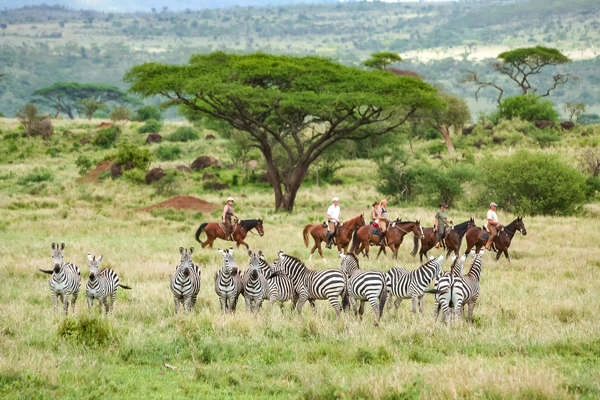
Kenya is internationally recognized for its extraordinary wildlife and pioneering conservation efforts. Ethical wildlife tourism plays a central role in protecting this natural heritage while creating economic opportunities for surrounding communities.
Responsible wildlife experiences focus on observing animals in their natural habitats without interfering with their behavior.
Professional guides follow established viewing guidelines, maintain appropriate distances, and prioritize animal welfare over close encounters.
Community conservancies have transformed conservation across Kenya by demonstrating that wildlife can provide long-term value to local communities through tourism.
Revenue generated from responsible safari experiences helps fund habitat restoration, anti-poaching initiatives, ranger programs, education, and healthcare while creating employment for local residents.
Travelers can also contribute by choosing experiences that support conservation research, participating in educational activities, and respecting park regulations designed to protect fragile ecosystems.
Ethical wildlife tourism reminds us that the greatest safari experience is not about getting the closest photograph, but about witnessing wildlife thriving in healthy, protected landscapes where both nature and people benefit.
Sustainable Tourism Practices in Kenya: Protecting Nature While Enhancing Travel Experiences
Kenya has earned global recognition as one of Africa's leading destinations for sustainable tourism.
Beyond its iconic wildlife and breathtaking landscapes, the country has embraced innovative approaches that balance tourism with environmental conservation and community development.
Sustainable tourism practices in Kenya focus on meeting the needs of today's travelers without compromising the ability of future generations to enjoy the same destinations.
This means conserving biodiversity, minimizing waste, supporting local livelihoods, and ensuring tourism contributes positively to conservation efforts.
Across Kenya, many lodges, conservancies, and tour operators have adopted initiatives such as:
- Solar-powered accommodation and renewable energy systems.
- Rainwater harvesting and water conservation programs.
- Elimination of single-use plastics.
- Farm-to-table dining using locally sourced ingredients.
- Wildlife habitat restoration projects.
- Waste recycling and composting.
- Tree planting and reforestation initiatives.
- Employment and training of local community members.
These practices demonstrate that sustainability and exceptional guest
experiences can go hand in hand. Travelers no longer have to choose
between comfort and conservation; they can enjoy both while contributing to a healthier planet.
Choosing destinations and operators that embrace sustainable tourism practices in Kenya allows visitors to become active participants in protecting the country's remarkable natural heritage.
Regenerative Tourism in Kenya: Going Beyond Sustainability
While sustainable tourism aims to reduce negative impacts, regenerative tourism in Kenya takes a more ambitious approach. It seeks to leave destinations better than they were before.
Regenerative tourism focuses on restoring ecosystems, empowering communities, improving biodiversity, and creating long-term resilience. Instead of simply minimizing harm, regenerative
travel actively contributes to environmental and social renewal.
Examples of regenerative tourism in Kenya include:
1. Wildlife Habitat Restoration
Many conservancies invest tourism revenue into restoring degraded habitats, removing invasive plant species, protecting wildlife corridors, and expanding protected areas.
These efforts help endangered species recover while improving ecosystem health.
2. Community-Led Conservation
Across Kenya, local communities are increasingly becoming custodians of wildlife and natural resources.
Tourism revenue supports:
- Education programs
- Healthcare services
- Water projects
- Women's empowerment initiatives
- Youth employment
- Livelihood diversification
As communities directly benefit from conservation, they have greater incentives to protect wildlife and natural habitats.
Photo Credits; Borana Lodge
3. Reforestation Projects
Tree planting initiatives have become an important component of many responsible travel experiences.
Visitors can participate in restoring forests, improving watershed protection, and increasing carbon sequestration while learning about local ecosystems.
4. Sustainable Agriculture
Many eco-lodges source fresh produce from nearby farms that use environmentally friendly farming methods.
Supporting local agriculture reduces transport emissions, strengthens food security, and creates additional income opportunities for rural communities.
Ultimately, regenerative tourism in Kenya transforms visitors from passive observers into active contributors to conservation and community wellbeing.
Responsible Tourism Practices in Kenya Every Visitor Should Embrace
Whether you're visiting for a luxury safari, a family holiday, or a cultural adventure, adopting responsible tourism practices in Kenya helps preserve the country's incredible natural and cultural heritage.
Here are practical ways every traveler can make a difference.
1. Choose Responsible Accommodation
Look for accommodation that demonstrates measurable sustainability initiatives rather than relying solely on environmental marketing claims.
Responsible properties often:
- Employ local staff.
- Source food locally.
- Reduce waste.
- Conserve water.
- Invest in renewable energy.
- Support nearby conservation or community projects.
2. Travel with Respect
Responsible tourism begins with respectful behaviour.
Remember to:
- Ask permission before photographing people.
- Respect cultural customs.
- Dress appropriately when visiting communities.
- Learn a few local greetings.
- Support local businesses whenever possible.
These small gestures create meaningful connections and positive travel experiences.
3. Minimise Waste
Carry reusable travel essentials, including:
- Water bottle.
- Shopping bag.
- Reusable coffee cup.
- Bamboo or metal straw.
Reducing waste protects Kenya's parks, beaches, forests, and marine environments.
4. Support Conservation
Many parks and conservancies rely heavily on visitor revenue.
Park entrance fees, conservation levies, and responsible tourism activities directly contribute to wildlife protection and habitat management.
Every ethical traveller becomes a partner in conservation.
Common Mistakes That Undermine Ethical Tourism
Even well-intentioned travellers sometimes make choices that unintentionally harm destinations.
Avoid these common mistakes:
- Feeding wildlife.
- Purchasing products made from endangered species.
- Leaving litter in protected areas.
- Disturbing wildlife for photographs.
- Ignoring local customs and traditions.
- Wasting water in drought-prone regions.
- Supporting attractions that exploit animals.
- Buying mass-produced souvenirs instead of locally made products.
- Bargaining unfairly with local artisans.
Ethical travel is not about being perfect, it is about making informed decisions that create positive impacts wherever possible. section content here...
The Future of Ethical Tourism
The future of tourism is increasingly being shaped by conscious travellers who seek purpose alongside adventure.
Emerging trends include:
- Regenerative tourism.
- Slow travel.
- Carbon-conscious itineraries.
- Eco-luxury accommodation.
- Community-led conservation.
- Wildlife-friendly safaris.
- Digital tools that monitor environmental impacts.
- Nature-based wellness experiences.
As travellers become more informed, ethical tourism is shifting from a niche interest to an industry expectation.
Kenya is uniquely positioned to lead this movement through its world-renowned wildlife, innovative conservancies, rich cultural heritage, and growing network of responsible tourism businesses.
Conclusion
Travel is one of the most powerful tools for creating positive change. Every booking, every purchase, and every interaction has the potential to support wildlife conservation, strengthen local economies, preserve cultural heritage, and protect the natural environments that make destinations extraordinary.
By embracing ethical tourism practices, supporting sustainable tourism practices in Kenya, choosing experiences rooted in regenerative tourism in Kenya, following responsible tourism practices in Kenya, and participating in community based tourism practices in Kenya, travellers become partners in safeguarding Kenya's remarkable landscapes and cultures for generations to come.
At Safari Yetu Adventures, we believe every journey should leave a positive legacy. Through thoughtfully designed itineraries, partnerships with conservation-focused lodges, support for local communities, and a commitment to responsible travel, we invite you to experience Kenya in a way that is authentic, meaningful, and sustainable.
Your next adventure can be more than a holiday; it can be part of a
lasting positive impact on the places and people that make Kenya truly
unforgettable.
Frequently Asked Questions
1. What are ethical tourism practices?
Ethical tourism practices are responsible actions that protect the environment, respect local cultures, support communities, and conserve wildlife while creating meaningful travel experiences.
2. What is the difference between ethical tourism and sustainable tourism?
Ethical tourism focuses on making morally responsible travel choices, while sustainable tourism balances environmental, economic, and social impacts to ensure destinations remain viable for future generations. Regenerative tourism goes a step further by actively restoring ecosystems and communities.
3. Why are sustainable tourism practices in Kenya important?
Sustainable tourism practices in Kenya help protect wildlife, preserve natural habitats, create employment, support local communities, and ensure tourism remains a long-term source of economic and environmental value.
4. What is regenerative tourism in Kenya?
Regenerative tourism in Kenya involves travel experiences that actively restore ecosystems, strengthen local communities, and improve biodiversity rather than simply reducing environmental
impacts.
5. What are community based tourism practices in Kenya?
Community based tourism practices in Kenya involve local communities owning, managing, or directly benefiting from tourism activities through conservancies, cultural experiences, accommodation, guiding services, and artisan enterprises.
6. How can I reduce my environmental impact while travelling?
Travelers can reduce their impact by carrying reusable items, choosing eco-friendly accommodation, supporting local businesses, respecting wildlife, conserving water and energy, and travelling with responsible tour operators.
7. How do I identify a responsible tour operator?
Look for operators with transparent sustainability policies, conservation partnerships, local employment practices, ethical wildlife guidelines, and measurable community support initiatives.
8. Can luxury travel also be ethical?
Absolutely. Many luxury safari experiences combine exceptional comfort with conservation, renewable energy, community partnerships, locally sourced cuisine, and responsible wildlife experiences, proving that luxury and sustainability can coexist.