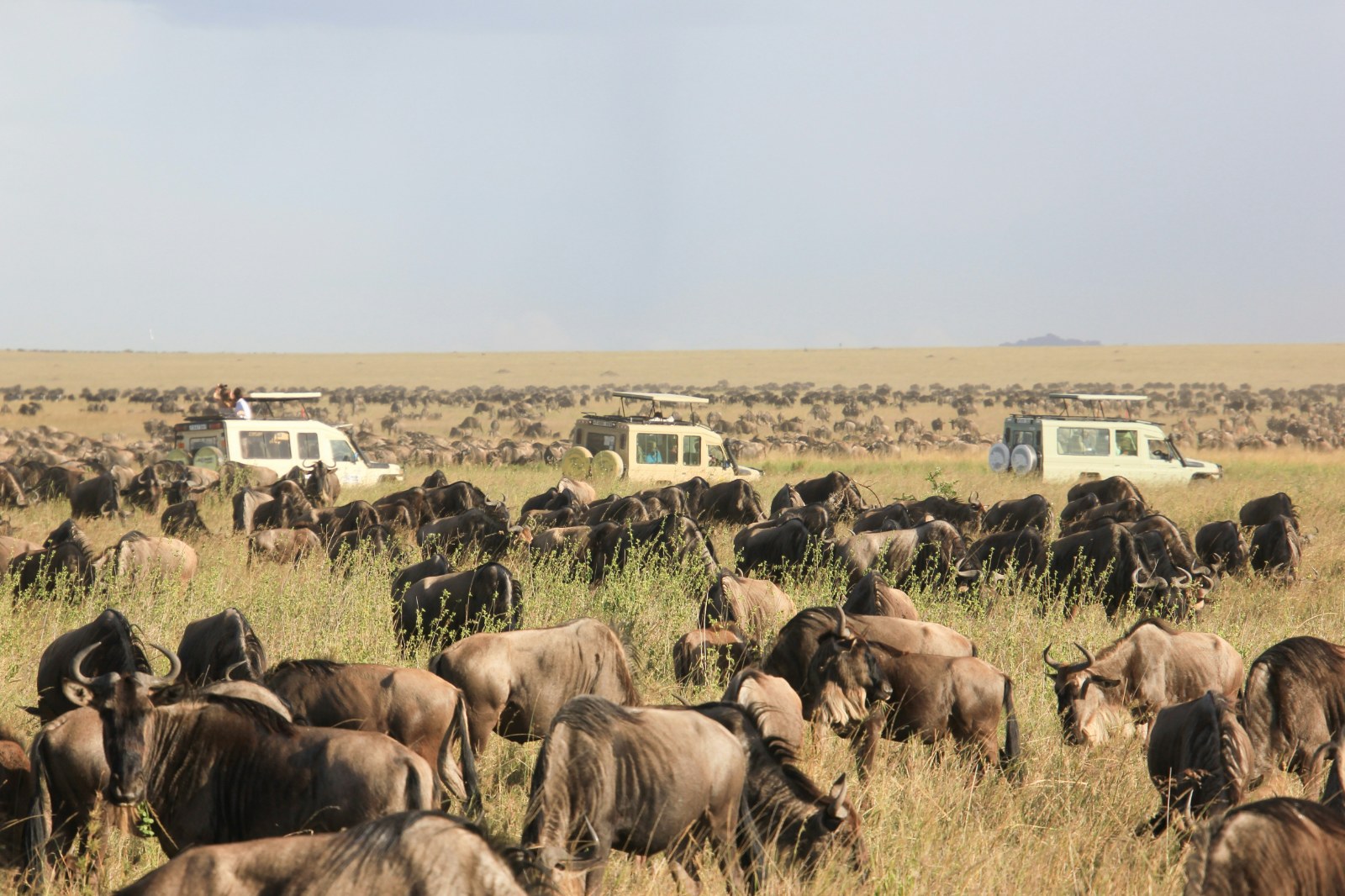
One of the most common questions we receive at Safari Yetu is simple: 'When should I go?' The honest answer is that Kenya is a year-round safari destination, but each season offers different experience and matching your timing to your priorities makes an enormous difference to the trip you return with.
This guide breaks Kenya's seasons down honestly, without overselling any particular month.
1. Kenya's Two Main Seasons
Dry Season: June – October and January – February
Kenya's dry seasons are the classic safari windows. Vegetation thins, animals concentrate around permanent water sources, and game viewing is at its most predictable and productive. The Great Migration's Mara River crossings occur in July–October. This is also high season, expect premium pricing and advance booking requirements.
Wet Season: March – May (Long Rains) and November – December (Short Rains)
The rains transform Kenya's landscapes from gold to green. Wildlife disperses more widely as water becomes available everywhere, making game drives slightly less predictable but photographically extraordinary. The wet seasons are low season: Prices drop significantly, crowds thin, and the landscape is at its most lush.
2. Best Time for Specific Experiences
Wildebeest Migration River Crossings
July to October, with August and September being th most reliable months. Book at least 6–9 months in advance for the best accommodation options.
Predator Sightings (Lion, Cheetah, Wild Dog)
Year-round in the Maasai Mara, but January–February and June–October offer the most consistent views as vegetation is lower and prey animals are concentrated.
Elephant Viewing in Amboseli
Year-round, the swamps guarantee elephant presence regardless of season. June–October delivers the classic dust-and-Kilimanjaro drama; March–May offers lush green backgrounds.
Bird Photography
November to April, when European and Asian migratory species join Kenya's resident birds, pushing species counts in some areas above 400 in a single day.
Budget Travel
April and May offer the lowest prices of the year, often 30–50% below peak season rates. The trade-off is some accessibility challenges on unpaved park roads, but for experienced travellers it is excellent value.
Honeymoon and Luxury Travel
January–February and September–October balance excellent conditions, relative tranquillity after peak season, and competitive luxury pricing.
3. What About Weather?
Kenya straddles the equator, so temperature variation is driven by altitude rather than season. Nairobi sits at 1,795 metres and is pleasantly cool year-round (17–26°C). The Maasai Mara (1,500–2,000 metres) can be surprisingly cold at night and at dawn, even in August, pack layers. The coast is warm year-round but humid, particularly October–November.
Rain in Kenya rarely means all-day downpours. In wet season, expect localised afternoon showers of 30–90 minutes, often with spectacular accompanying light for photography.
4. Our Recommendation
If you have flexibility: visit between late June and October for the most comprehensive wildlife experience. If you want to see the migration without peak-season crowds, September into early October is a strong choice. If budget is a primary consideration: April is Kenya's best-kept secret, the rains are manageable, the landscape extraordinary, and the rates competitive.
We help travellers plan their Kenya safari timing year-round and know exactly what each season delivers. For more details, read our Maasai Mara migration timing. For more details, read our Great Wildebeest Migration calendar. For more details, read our Amboseli year-round viewing.